
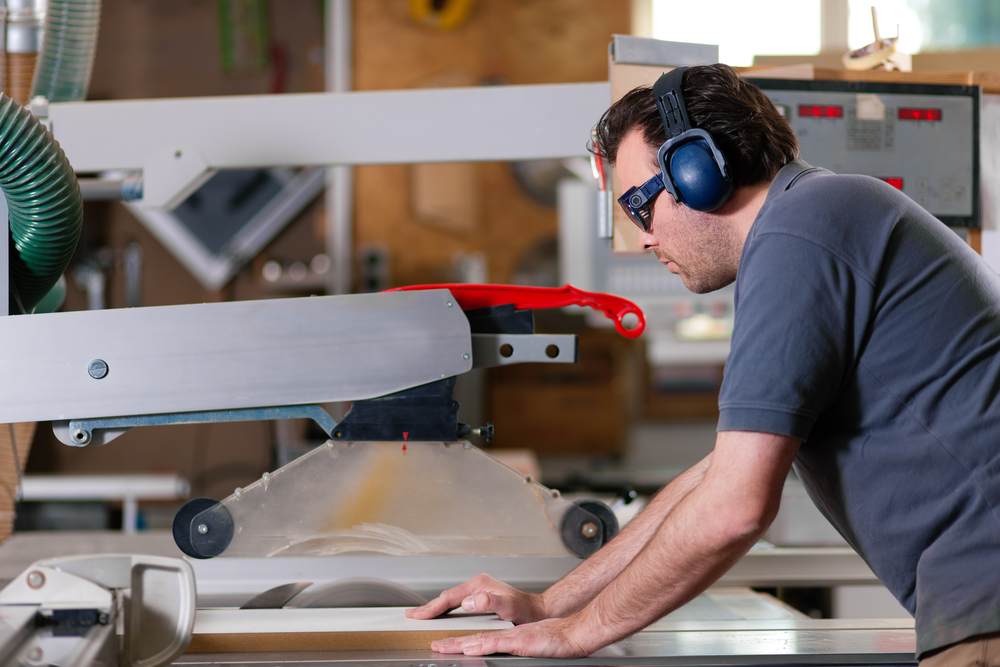
Exposure to noise for extended periods poses a considerable risk to your auditory health, particularly in settings where the sound intensity exceeds safety thresholds. It is critical to shield your ears, not only to avoid hearing damage, but also to help you pay attention in loud surroundings. What is the best way to determine the amount of hearing protection that is optimal for you?
The value of knowing noise levels and effects
Noise damage relies not only on the volume of the sound but also on how much time you are exposed to it. The primary measurement for assessing noise levels is dB, a unit used to express sound intensity. Once noise reaches a level of 85 dB or above, it poses a threat to your hearing, mainly if the exposure is lengthy.
To provide a illustration, 85 dB is equal to the sound of urban traffic when heard from inside a vehicle. Despite it not sounding excessive, eight hours of continuous exposure at this level can cause the onset of damage to your hearing. The safe duration of exposure becomes shorter when the sound is more intense:
- 90 dB (Lawnmower): Up to 4 hours of exposure can be harmful.
- 100 dB (Power tools): Limit exposure to 1 hour or less.
- Damage is possible after only 15 minutes at the 110 dB level (Leaf blower).
- Even momentary exposure to 120 dB (e.g., a Rock concert) is enough to cause hearing damage.
- 140 dB (Jet engine): Immediate damage and pain can occur.
Identifying unsafe noise levels
If you’re regularly exposed to noise levels of 85 dB or more, wearing hearing protection is crucial. The need for protection is stronger in work environments, including factories and construction, or in any location where machinery, gear, or tools create excessive noise.
Even outside of work, there are instances where hearing protection can be advantageous—attending concerts, using leaf blowers, or engaging in recreational shooting sports are all activities that can expose you to unsafe noise levels.
How the Noise Reduction Rating guides your choice
The efficacy of hearing protection is assessed by its Noise Reduction Rating (the NRR). Measured in decibels, this figure signifies the amount of sound blockage the protector offers. Higher NRR values deliver greater protection. As an example, earplugs rated at 30 dB NRR will decrease an 85 dB noise to 55 dB, ensuring you remain safely below the danger boundary.
To make a good selection, you should evaluate the specific noise intensity you are exposed to and verify the protector offers the necessary blockage to keep the volume below 85 dB.
Consistency relies on comfort: why it’s so critical
The NRR is undoubtedly significant, but comfort is an equally significant component in achieving continuous, sustained use. When the hearing protection is bulky or uncomfortable, you are inclined to remove it, which leaves your hearing unprotected against dangerous noise.
The more comfortable the device, the more likely you are to use it consistently, which significantly reduces the danger of occasional exposure. For instance, if earmuffs are too bulky or lead to discomfort, you may be inclined to remove them periodically, subjecting your ears to harmful noise levels.
Exploring the different forms of ear protection
There are several different types of hearing protection, and each has its own benefits and cons:
- Inserted into the ear canal, Foam Earplugs provide superb noise reduction. They are disposable and light, yet some individuals may find them uncomfortable.
- Pre-Molded Earplugs are positioned slightly outside the ear canal; they are reusable—a more sustainable choice—and are also easier to handle than foam earplugs.
- Earmuffs: Earmuffs cover the entire ear and are ideal for environments with fluctuating noise levels, as they’re easy to put on and take off. However, they may feel heavy or warm during extended use.
Choosing the best type depends on your comfort and the needs of your environment. For illustration, workers in construction may favor the ease of use of earmuffs, while factory staff might opt for earplugs for continuous wear.
Ensuring uninterrupted use
The superior hearing protection is always the device that you steadily keep in place. Any break in use, even for a short period of minutes, can have permanent effects for your hearing health. For this purpose, finding a product that optimizes protection, comfort, and convenience is necessary.
Securing your auditory well-being
Even though noise is a constant part of life, suitable hearing protection allows you to protect your hearing without sacrificing the sounds surrounding you.
Call us now to talk about your potential for hearing loss from noise and the most effective ways to safeguard your hearing.