
When your hearing feels obstructed, it can impact your daily routine and leave you feeling withdrawn from your surroundings. Many people instinctively fear they’re experiencing irreversible hearing loss when, in reality, the cause may be something much simpler: cerumen accumulation.
Distinguishing between a cerumen blockage and actual hearing loss is vital for determining if you need a simple cleaning or a formal diagnostic exam. There is no reason to feel overwhelmed if sounds seem muted. A consultation can help you uncover the source of it, but in the interim, here’s what you should consider about earwax buildup (also referred to as earwax blockage) vs. hearing loss.
Recognizing Cerumen Blockage Symptoms
Earwax is essentially a beneficial, natural substance intended to shield the ear canal from particles and external debris. Clinical complications only manifest when the wax fails to move out of the ear, resulting in a substantial accumulation or blockage.
Frequent indicators of earwax buildup include:
- Progressive or abrupt muffled hearing
- The perception that there is a physical obstruction in the ear
- Canal irritation or slight pain
- Buzzing in the ear (tinnitus)
- Auditory clarity that shifts or improves briefly with chewing
A signature of blockage-based sound changes is imbalance, usually impacting one side over the other. The positive aspect is that professional removal typically ends in an instant return of your natural hearing levels.
Identifying the Markers of Permanent Hearing Loss
Permanent hearing changes, often caused by age or noise exposure, are progressive and remain even if the ear is perfectly clean.
Standard symptoms of permanent hearing impairment include:
- Struggling to follow discourse when background noise is audible
- Often requiring repetition during normal dialogue
- A habit to boost audio output notably to compensate for hearing loss
- Trouble catching treble sounds like birds or soft voices
- Two-sided hearing shifts that affect both ears simultaneously
A key distinction is that true loss misses the physical “clogged” sensation that follows a cerumen blockage.
At-a-Glance: Cerumen vs. Auditory Decline
A few basic signs can help you ascertain whether you are dealing with a manageable blockage or a more lasting change:
- Timing: Cerumen blockages often come on suddenly; hearing loss develops slowly
- Reversibility: Wax-related hearing changes are usually brief; hearing loss is frequently irreversible
- Markers: Pressure suggests a clog; difficulty with word clarity suggests impairment
- Asymmetry: Wax often affects one ear; auditory impairment frequently affects each
Reasons Not to Self-Diagnose
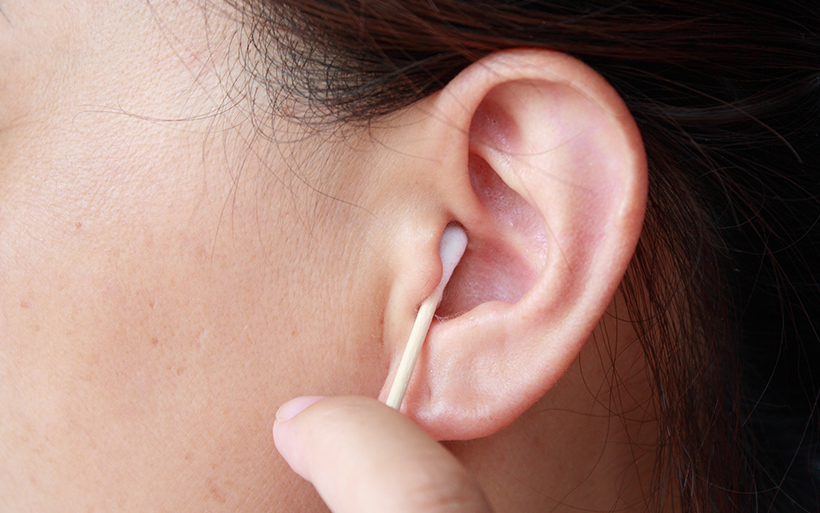
It’s tempting to presume cerumen is the cause — and grab for Q-tips or store-bought kits. Unfortunately, these can shove wax deeper and exacerbate the problem.
Health experts warn that inserting anything smaller than your finger in your ear can result in eardrum damage and severe impaction.
Delaying a clinical evaluation for real hearing loss can result in missing out on solutions that shield your future cognitive and social well-being.
What to Expect Throughout a Formal Appointment
A specialist can use an earlight to instantly visualize if a mechanical obstruction is visible.
If wax is found, clinical extraction often clears symptoms on the spot.
If no wax is found, a formal audiogram will be used to map the type and degree of any underlying impairment.
Health experts advise seeking a clinical evaluation as promptly as you notice hearing fluctuations that impact your lifestyle.
Choosing the Correct Path for Improved Sound Quality
Dampened auditory input doesn’t necessarily indicate permanent trauma.
In many cases, earwax buildup is the cause, and it’s highly treatable.
A clinical assessment will give you the answers you require to advance without concern.
Ultimately, an audiology consultation is the only reliable way to distinguish between a fleeting blockage and a permanent shift.
Finding answers promptly can avert unnecessary worry and ensure you receive the right care at the right moment.
If you’ve noticed a change in your hearing, call our clinic to schedule a hearing test
or formal assessment to determine if you need a hearing aid.