
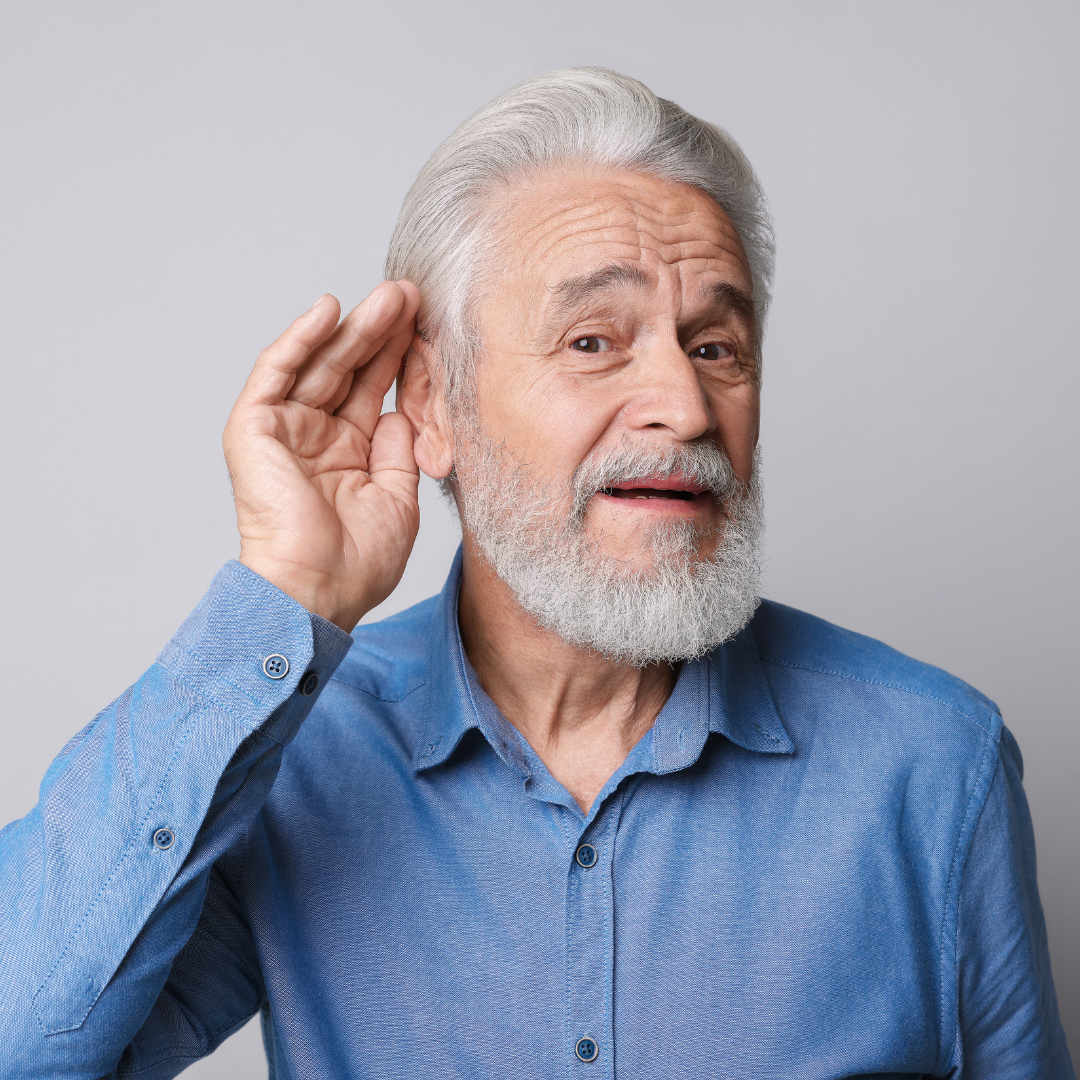
A rapid drop in hearing in one ear can cause immediate fear and leave patients confused regarding the appropriate next steps. Our practice can provide urgent hearing testing and help coordinate appropriate medical care when a rapid change occurs. Sudden hearing loss always requires immediate attention from a hearing specialist to explore treatment or hearing rehabilitation when needed.
Understanding Sudden Hearing Loss as a Time-Sensitive Emergency
Absolutely. Any acute unilateral sudden hearing loss warrants emergency medical management, notably when the deficit evolves within hours to days. Sudden sensorineural hearing loss, colloquially known as sudden deafness, compromises the sensory hair cells of the inner ear or the auditory nerve. It often occurs without pain and may be mistaken for congestion or a plugged ear.
Key presenting symptoms include:
- A sharp, noticeable drop in auditory volume or speech clarity in one ear
- Noticing that phone conversations sound faint, muffled, or absent on one side
- A physical popping sensation or localized ear pressure immediately prior to the hearing drop
- The sudden development of unilateral tinnitus, including buzzing, hissing, or roaring sounds
- The sudden appearance of true vertigo, gait imbalance, or persistent dizziness
Never postpone clinical evaluation while waiting to see if hearing improves on its own. Connect with our clinical team, a local urgent care center, or an ENT specialist for urgent, same-day assessment.
The Critical Importance of Immediate Medical Care for Sudden Hearing Loss
Rapid diagnostic assessment matters tremendously because medical management of sudden sensorineural hearing loss is most effective during the initial window. Our clinicians must first identify whether the deficit is conductive—caused by cerumen impaction, middle-ear effusion, or ossicular dysfunction—or sensorineural, involving the cochlea or auditory nerve. These two forms of hearing loss mimic each other subjectively, yet they necessitate completely different medical treatments.
An ear examination and a diagnostic hearing test can identify the type, pattern, and severity of the loss.
Contact emergency medical services immediately if sudden auditory decline presents alongside:
- Acute facial nerve weakness, asymmetrical drooping, or numbness
- Trouble speaking, confusion, or a severe new headache
- Double vision, fainting, or difficulty walking
- Chest pain or other signs of a medical crisis
Such presenting symptoms frequently indicate a major cerebrovascular or neurological emergency that demands immediate emergency room evaluation.
Pathophysiological Causes of Sudden Sensorineural Hearing Loss
In most cases of sudden sensorineural hearing loss, no definite cause is found. If an underlying cause is identified, it typically entails tissue inflammation, physical injury, microcirculatory failure, autoimmune disease, or specific cochlear nerve disorders.
Documented causes of this condition include:
- Viral cochleitis or secondary bacterial infections
- Head trauma or exposure to an intense sound
- Systemic autoimmune disease or autoimmune inner ear disease (AIED)
- Medications that can damage the inner ear
- Acute circulatory compromise or cochlear microvascular infarction
- Inner-ear disorders such as Ménière’s disease
- Central nervous system conditions, such as progressive multiple sclerosis
- A benign neoplasm such as an acoustic neuroma along the hearing and balance nerve
Since patient symptoms alone cannot isolate the precise pathophysiological cause, immediate physical exam and audiologic testing are essential.
Evidence-Based Therapies for Sudden Sensorineural Hearing Loss
Prescription corticosteroids are the gold-standard treatment when sudden sensorineural hearing loss develops without an overt etiology. These medications may be prescribed orally or delivered through intratympanic injections across the tympanic membrane to access inner ear fluids directly. Our clinical team outlines therapeutic options tailored to your specific case, factoring in symptom latency, severity of the loss, comorbid medical conditions, and medication tolerances.
Medical evidence supports initiating steroid treatment within the first two weeks, underscoring the necessity of immediate clinical intervention. When initial recovery is insufficient, physicians frequently recommend intratympanic steroid injections as a targeted salvage intervention. For specific candidates, a physician may recommend hyperbaric oxygen therapy in combination with aggressive steroid therapy.
The Reality of Spontaneous Recovery in Sudden Hearing Loss
Certain instances of sudden sensorineural hearing loss do demonstrate spontaneous improvement without therapeutic intervention. Roughly half of individuals with the condition experience spontaneous partial or complete auditory recovery, primarily during the initial two-week period. Still, there is no clinical way to predict at symptom onset who will experience spontaneous recovery, how much hearing will be regained, or whether stability will persist.
Hoping for spontaneous recovery does not justify waiting or postponing clinical intervention. Initiating treatment several weeks following symptom onset drastically reduces the probability of reversing permanent damage, effectively shutting a vital clinical window. Hearing recovery spans a spectrum ranging from complete resolution to partial restoration or minimal gains.
Managing Unresponsive Sudden Hearing Loss: Next Steps
If the affected ear does not regain full function, subsequent steps hinge on residual hearing levels, word-recognition clarity, and the exclusion of structural pathology. Our clinicians frequently recommend diagnostic MRI imaging or specialized auditory brainstem response testing to evaluate the hearing nerve and surrounding anatomy.
Ongoing rehabilitative technologies include:
- Fitting a conventional prescription hearing aid if the affected ear retains sufficient residual hearing
- A CROS system that sends sound from the poorer ear to the better ear
- A bone-conduction device for appropriate candidates
- A cochlear implant evaluation for patients presenting with profound single-sided deafness
- Specialized assistive listening devices (ALDs) to support communication during professional, educational, or social demands
Individualized audiologic rehabilitation actively addresses listening fatigue, compromised directional localization, and conversational strain. The optimal clinical choice is guided by diagnostic hearing test findings, individual acoustic environments, medical background, and personal lifestyle objectives.
Contact Us for an Urgent Hearing Assessment
Should your hearing acuity decline abruptly today or over recent days, pursue immediate same-day clinical guidance rather than booking a routine appointment. We provide immediate diagnostic hearing evaluations, analyze bilateral auditory thresholds, review symptom chronology, and collaborate with an ear, nose, and throat specialist or medical provider.
Call or message our practice immediately to secure a prompt hearing appointment.