
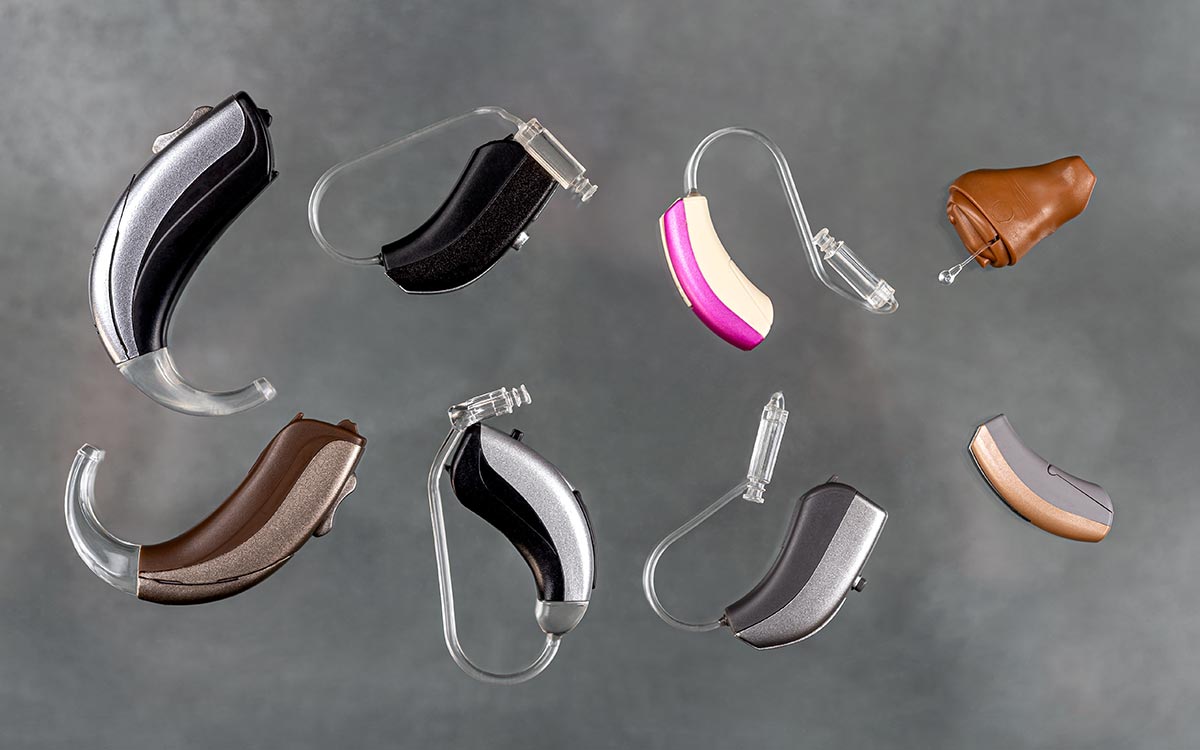
Choosing a hearing aid can feel overwhelming, especially when today’s units come in so many styles, sizes, and technology levels. However, a specialized hearing solution exists for every person’s singular needs and daily habits. It’s all about learning which model aligns perfectly with your specific requirements.
Understanding the distinctions among the most popular types of hearing aids can help you feel more informed and confident as you explore your options. In this analysis, we look at current styles and the unique characteristics that define them.
ITC (In-the-Canal) Hearing Systems
Basic Overview:
These hearing aids are positioned partially inside the canal, making them visible only slightly from the outside.
Why people choose them:
- Provides an understated appearance compared to traditional styles
- Individualized molding guarantees long-term wearing comfort
- Works effectively for people experiencing mild hearing challenges
ITC devices offer an excellent equilibrium between visibility and functionality, making them an ideal choice for first-time users.
Invisible-in-Canal (IIC) Hearing Aids
The Concept:
IIC hearing aids are the smallest custom design available. These devices sit so deeply inside the ear that they are nearly impossible to see.
Primary Motivations:
- Maximum aesthetic discretion
- Microphone depth assists in mimicking the ear’s natural sound collection
- So light and small that users often forget they are wearing them
IIC devices are mainly aimed at patients with moderate hearing needs who want their technology to remain completely unnoticed.
Full and Partial ITE Options
Product Details:
These models fill either the full or bottom half of the outer ear bowl. Every device is specifically personalized to match your ear’s unique shape.
Why users select them:
- Increased size allows for more features and longer battery life
- The physical size is easier to hold and adjust for users with fine motor concerns
- Capable of providing enough power for severe hearing needs while remaining in-the-ear
ITE models are often selected by individuals who want an uncomplicated, all-in-one design without behind-the-ear components.
BTE (Behind-the-Ear) Essentials
Description:
BTE hearing aids rest comfortably behind the ear. Audio travels through a dedicated tube or custom-fit mold into the ear opening.
Reasons for Selection:
- Known for remaining exceptionally adaptable and robust
- Provides a wide selection of amplification suitable for nearly any user
- The size provides plenty of space for the latest connectivity features and rechargeable hardware
BTE devices are a wonderful choice for individuals seeking reliability, ease of use, and strong amplification.
The RIC Style Breakdown
What they represent:
The RIC design keeps the main housing on the back of the ear while moving the receiver into the ear canal itself.
Market Interest:
- Known for producing some of the most authentic audio in the industry
- Compact, feather-light, and comfortable
- RIC technology is highly flexible for many different audiogram profiles.
RIC devices are one of today’s most popular models, thanks to their blend of comfort, aesthetics, and performance.
Long-Term “Set and Forget” Devices
Usage Summary:
Extended-wear models are semi-permanent devices that an expert fits into the ear for an interval of several weeks.
User Incentives:
- No daily insertion or removal
- Offers a 100% covert solution for hearing health
- Engineering enables them to stay in the ear during all facets of daily life
For an autonomous approach to auditory assistance, extended-wear technology is the top recommendation.
Bluetooth-Enabled Hearing Aids
Functionality:
Auditory aids with wireless connectivity that sync with smartphones, tablets, computers, and sometimes TVs.
Modern Benefits:
- Turn your hearing aids into cordless headphones for all your favorite audio
- Adjust settings via a mobile tool
- Enhances everyday life by making technology interaction seamless and clear
Most contemporary RIC, BTE, and ITC hearing aids now provide a Bluetooth-enabled version.
Middle-Ear Implants
What they are:
A surgical solution that works by vibrating the tiny bones inside the ear to provide amplified audio.
Why implants are utilized:
- Serves as a critical alternative for those who find no success with traditional amplification
- This is a specialized alternative for those with chronic ear canal sensitivity.
Middle-ear implants are usually recommended only after a full evaluation by an ENT specialist.
Selecting Your Ideal Hearing Solution
Every hearing aid style offers its own advantages, and the right option depends on your level of hearing loss or tinnitus, comfort preferences, lifestyle, and cosmetic considerations. An expert can provide the guidance needed to test out different styles and find the one that fits your life perfectly.
If you’re ready to explore the possibilities, schedule an auditory evaluation today. Your future of assured communication starts with this first evaluation.
Sources:
https://www.mayoclinic.org/diseases-conditions/hearing-loss/in-depth/hearing-aids/art-
20044116
https://www.hearinglife.com/hearing-aids/types
https://www.nidcd.nih.gov/health/hearing-aids