
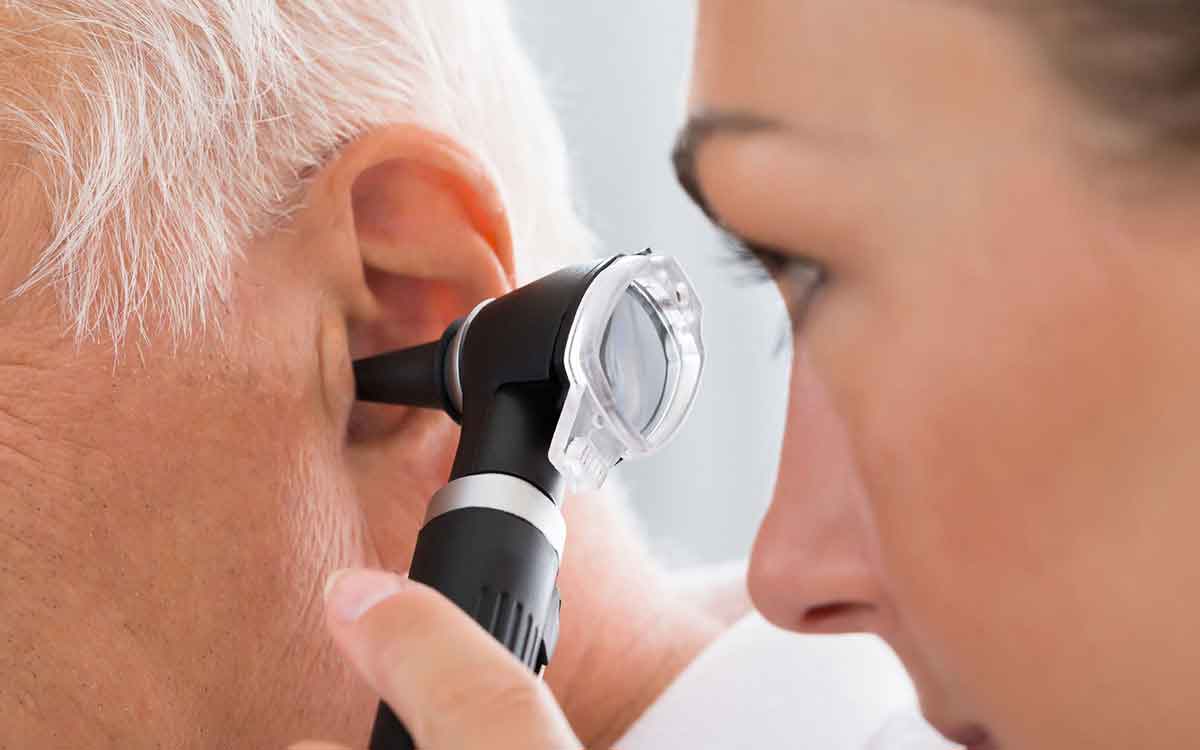
Hearing loss often occurs gradually, rendering it difficult to detect during the preliminary stages. It is common for people to adjust to hearing shifts by elevating device volume and avoiding social situations with significant background noise.
However, recognizing the preliminary signs of hearing decline is fundamental for effective intervention.
Primary Signs of Developing Hearing Impairment
Should you encounter any of these early warnings, consider arranging a professional hearing assessment to determine your status.
- Difficulty comprehending speech, especially in loud areas with a lot of activity.
- A regular need of asking for verbal repetitions during daily interactions.
- The perception of indistinct vocal communication where words appear to merge.
- Turning up the volume on the TV, phone, or radio higher than others prefer.
- Trouble perceiving high-frequency audio, such as children’s voices, birds, or electronic alerts.
- Auditory sensations such as ringing, buzzing, or humming, clinically termed tinnitus.
- Mental drain following dialogue resulting from straining to follow speech.
- Isolating from group interactions since following speech becomes difficult.
Early symptoms are often unilateral or bilateral and can fluctuate at first. Since the auditory cortex adjusts to input shifts, subconscious adjustments often go unnoticed until clinical hearing loss is evident.
Statistical Overview of Global Auditory Health
The World Health Organization reports that the need for hearing support will affect 700 million people by 2050. Other significant statistics involve:
- By 2050, nearly 2.5 billion people are projected to experience various levels of hearing loss.
- More than five percent of the global community (roughly 430 million people) requires clinical support to manage significant hearing loss.
- More than 1 billion younger individuals are at risk of permanent hearing loss caused by unsafe listening practices.
- Among those aged 60 and older, more than one-quarter suffer from disabling hearing loss.
Why Early Detection is Key
If left untreated, hearing loss may affect various aspects of your health outside of auditory function.
Scientific data connects hearing loss with increased risks of withdrawal, mental health challenges, cognitive decline, and balance issues.
Recognizing changes early on promotes optimal results and varied management strategies.
A professional assessment clarifies if hearing fluctuations are caused by noise damage, earwax impaction, or different medical factors.
Occasionally, auditory changes are not permanent and resolve with intervention.
Alternatively, timely adoption of hearing aid technology or protective strategies may mitigate further decline.
Indications for a Professional Hearing Evaluation
Professional consultation is recommended if you experience:
- Symptoms persist for more than a brief period.
- Auditory challenges disrupt work, relationships, or daily activities.
- Experiences with acute hearing loss, dizziness, or persistent ringing warrant urgent clinical attention.
Hearing evaluations are painless and provide valuable information about your auditory wellness.
Please contact our audiology team if you are interested in arranging a formal hearing test.
Frequently Asked Questions: Recognizing Auditory Decline
Question: Does hearing loss only occur with aging?
A: No. While age-related hearing loss is common, hearing changes can also result from noise exposure, medications, infections, genetics, or underlying medical conditions.
Q: Can auditory impairment be clinically reversed?
A: In specific instances involving earwax or infection, hearing may be restored. However, permanent types of hearing loss are often successfully managed with hearing aid technology or therapeutic strategies.
Question: What is the recommended frequency for hearing screenings?
Answer: It is recommended that adults obtain a baseline assessment by age 50, with earlier testing for those with specific risk factors.