
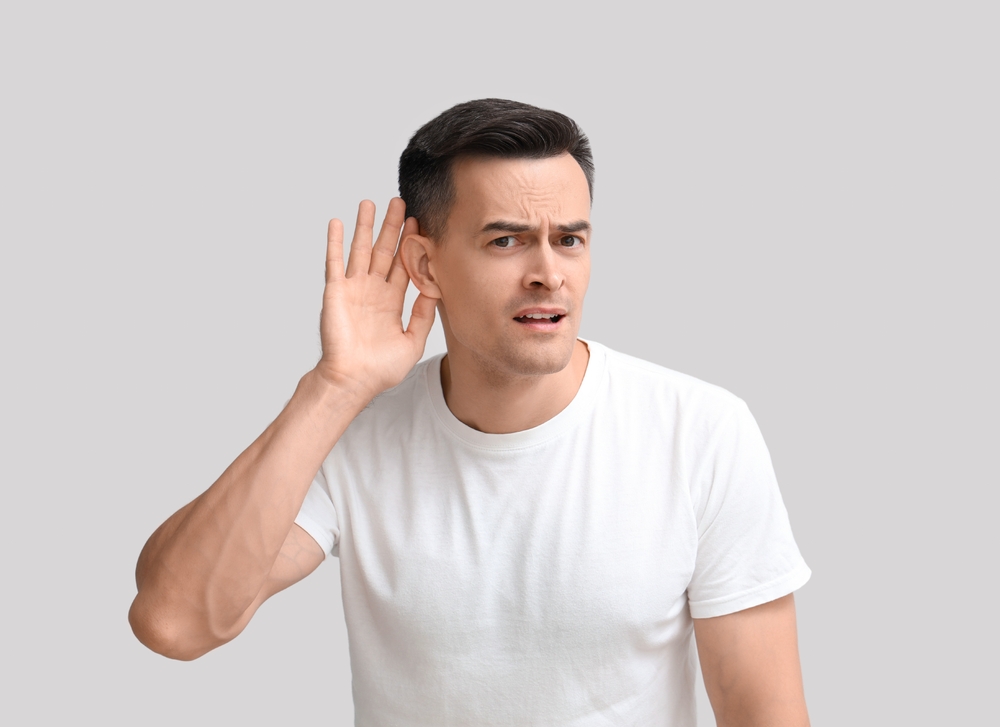
Do you often experience profound mental depletion following extended dialogue or crowded social events?
It is easy to misattribute this fatigue to general stress, lack of sleep, or sensory overload. It is well-documented that social interaction requires significant energy for introverts and those with sensory integration challenges. However, in many clinical scenarios, the underlying driver is a neurological phenomenon known as auditory fatigue.
This condition manifests when the brain’s auditory cortex is forced into an overactive state to interpret sound. When hearing is not as clear as it should be, the brain often tries to fill in missing pieces of speech and interpret unclear sounds, which takes significant mental effort. Sustained periods of this “effortful listening” eventually lead to total cognitive depletion.
It is common for patients to conflate auditory fatigue with general daily exhaustion. However, it can actually be an early sign of hearing difficulties. Undergoing a clinical screening can identify the extent to which hearing loss drives your daily fatigue. If this cycle of exhaustion is recurring, consult an audiologist to investigate the influence of hearing loss.
Why Your Brain Suffers from Auditory Fatigue
The risk of developing auditory fatigue is increased by several physiological and environmental factors.
The Hidden Cost of Ignoring Hearing Loss
The absence of treatment for hearing loss is the most frequent driver of this neurological strain.
If the peripheral auditory system fails to deliver clear data, the brain must use context clues to guess the missing information. This perpetual state of “phonemic guessing” elevates cognitive load and triggers rapid burnout during dialogue.
Noisy Environments
Acoustically complex settings serve to intensify the demand on the brain’s filtering systems. Loud public spaces, corporate boardrooms, and large social gatherings typically feature high levels of competing ambient noise.
In multi-source sound environments, the brain must exert massive energy to suppress irrelevant noise. This intensive filtering often leads to cognitive overload, even in patients with “hidden” or sub-clinical hearing loss.
The Role of Tinnitus in Auditory Fatigue
Tinnitus—the perception of internal ringing—exacerbates fatigue by increasing the sheer volume of data the brain must process.
A distorted acoustic signal acts as a “broken link,” requiring the brain to expend extra energy to fix the data in real-time.
Clinical Red Flags for Auditory Fatigue
This type of fatigue often degrades both your ability to concentrate and your general vitality. Typical red flags for this condition include:
- Feeling mentally drained after conversations
- Inability to maintain attention in multi-person dialogues
- Onset of tension headaches following sustained auditory focus
- Increased emotional volatility in loud or busy environments
- Self-isolation as a defense mechanism against listening effort
- Needing a nap or quiet time after social interaction
If these symptoms occur frequently, it may indicate that your ears and brain are working harder than they should.
Why Hearing Loss Makes Your Brain Work Harder
When hearing is clear, the brain can process speech almost effortlessly. However, when hearing loss is present, the brain must allocate more cognitive resources to decode sounds.
Researchers describe this as increased cognitive load. It involves the brain siphoning energy from memory retrieval and focus to prioritize basic speech understanding. Over time, this extra effort can leave you feeling mentally depleted. The effort required for even a 10-minute talk becomes disproportionately high.
How a Hearing Test Can Identify the Problem
A formal auditory screening is the most effective way to determine why you feel so drained. The evaluation process includes mapping your hearing range and measuring your speech discrimination accuracy. Specialized “speech-in-noise” testing is often used to uncover deficits that are invisible during standard quiet-room exams.
The results of a hearing test provide the roadmap for addressing both the impairment and the resulting burnout. Identifying hearing changes early allows treatment to begin sooner, helping reduce listening strain before it begins affecting daily activities and social interactions.
How Hearing Treatment Reduces Listening Effort
Addressing the underlying impairment is the most direct way to eliminate auditory fatigue.
High-tech hearing aids do the “heavy lifting” for the brain by isolating and clarifying voices in real-time. Consequently, the brain receives a high-fidelity signal that requires no guesswork or phonemic restoration.
When listening becomes easier, many people notice improvements in:
- Mental energy throughout the day
- Ability to follow complex dialogue without drifting off
- Reduced anxiety and heightened ease during social events
Lowering the cognitive cost of communication allows social life to feel effortless once more.
Is it Time for a Professional Hearing Check?
It may be time to schedule a hearing evaluation if:
- Dialogue leaves you feeling cognitively spent
- You are increasingly told that you are missing parts of the conversation
- Background noise makes speech recognition a major challenge
- You have begun declining invitations because you are tired of the effort to hear
Early action on hearing impairment is a foundational step in preserving your mental and social health.
Frequently Asked Questions: Auditory Fatigue
Is auditory fatigue the same as hearing loss?
Actually, no; auditory fatigue is the cognitive result of the strain, not the physical impairment itself. Most people experience auditory fatigue as a direct consequence of their hearing loss.
Do Hearing Aids Help with Exhaustion?
Yes—current technology is specifically designed to minimize the cognitive cost of communication.
Can Auditory Fatigue Be Cured?
Most patients find that their energy returns once the listening “gap” is closed with technology.
Reclaiming Your Energy After Social Events
Socializing should replenish you, not leave you feeling drained. If you are suffering from chronic post-social burnout, your auditory system is likely over-exerting itself.
Begin your journey back to energy by booking a comprehensive hearing test now. Reclaim your social life and your energy by getting the truth about your auditory health today.