
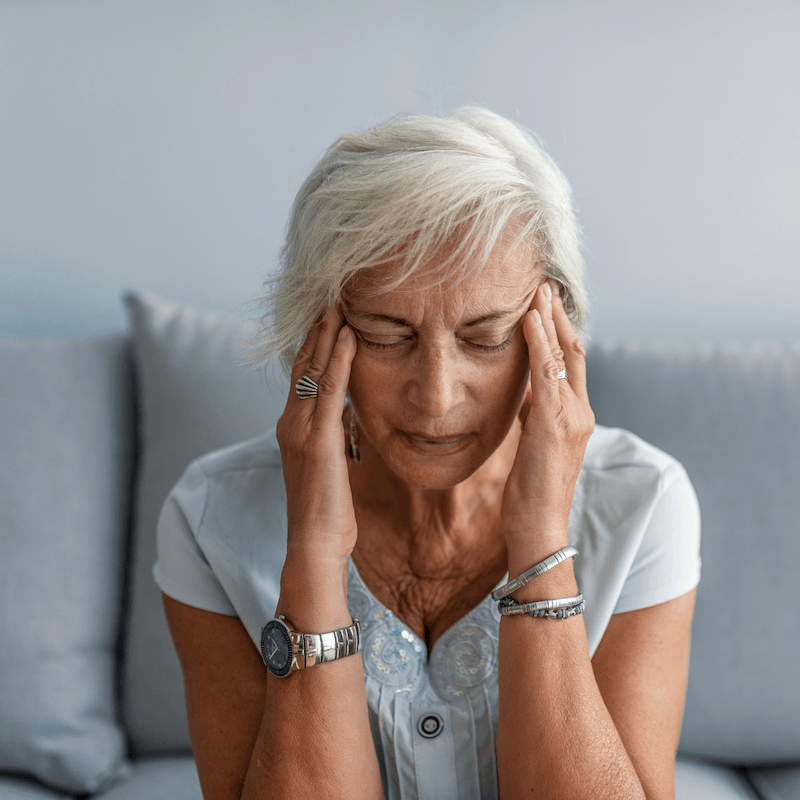
Classic head pain is not present in every migraine variant; specifically, a vestibular migraine disrupts vestibular balance, motion tolerance, and spatial navigation. At our ENT clinic, we investigate recurring dizzy spells to verify whether vestibular migraine or a distinct balance pathology is driving symptoms. Establishing appropriate migraine treatment depends on recognizing presenting symptoms and communicating these patterns to your healthcare team.
Vestibular vs. Classical Migraine: Key Differences
Typical migraine attacks and vestibular migraines share the same neurovascular pathology, but their primary presenting symptoms differ. A typical migraine attack often centers on moderate to severe head pain that may be one-sided, pulsating, and aggravated by normal activity. This cephalalgia is often accompanied by gastrointestinal nausea, photophobia (light sensitivity), phonophobia (sound sensitivity), and visual aura.
A vestibular migraine primarily manifests as true vertigo, disequilibrium, balance dysfunction, and severe motion sensitivity. Patients may experience coexisting head pain, but headache is not an obligatory component of every vestibular episode. Flare-ups can feature an illusory sensation of internal or environmental spinning, head-movement-induced dizziness, and visual vertigo in crowded spaces.
Qualifying vestibular events standardly run a time course extending from five minutes to 72 hours. Presentations frequently shift from episode to episode, which can obscure the underlying connection to migraine disease.
What Mechanisms Drive Vestibular Migraine?
A solitary physiological defect has not been proven to cause vestibular migraine on its own. This balance condition appears to reflect shared neurological circuits that modulate migraine signals and vestibular equilibrium data. A familial or personal history of classic migraine, alongside persistent motion sickness, frequently predisposes patients to vestibular migraine.
Documented physiological triggers include:
- Irregular or insufficient sleep
- Inconsistent meal timing, caloric restriction, or insufficient water intake
- Emotional stress or recovery after stress
- Catamenial hormonal fluctuations, menstruation, or perimenopause
- Bright, flashing, or visually complex surroundings
- Extended vehicle travel, dynamic physical movement, or fast smartphone screen scrolling
- Alcohol consumption or exposure to specific dietary triggers like aged cheeses or nitrates
- Atmospheric pressure changes, weather fluctuations, or overwhelming sensory stimulation
Clinical Symptoms of Vestibular Migraine Compared to Regular Migraines
While recurrent head pain defines typical migraines, the full spectrum of migraine symptoms extends beyond localized discomfort. An individual may endure nausea, vomiting, transient visual aura, extreme fatigue, cognitive impairment, neck stiffness, and sensory hypersensitivity.
The clinical presentation of vestibular migraine may feature:
- Spinning or non-spinning vertigo
- Postural disequilibrium, ataxia, or generalized loss of balance
- Movement-induced dizziness provoked by changing head positions
- Motion-induced nausea or severe motion sickness
- Intolerance to optic flow, including digital screens, moving highway traffic, crowded venues, or striped patterns
- Illusory spatial sensations including continuous rocking, vertical floating, tilting, or lateral magnetic pulling
- Light, sound, or visual sensitivity
- Head pressure or migraine-type headache
- Transient sensation of plugged ears, fluctuating aural pressure, or subjective tinnitus
Analyzing episode frequency, duration, and precipitating factors helps differentiate vestibular migraine from competing inner ear pathologies. New dizziness with weakness, numbness, difficulty speaking, double vision, fainting, or an inability to walk requires urgent medical assessment.
Overlapping Attacks: When Vestibular and Regular Migraines Coincide
Indeed they do. True rotational vertigo and classic migraine head pain can develop within the identical clinical attack. The vestibular symptoms can start ahead of the head pain, surface during the headache phase, outlast the cephalalgia, or arise independently. Certain patients experience cyclical shifts, alternating between headache-predominant and vertigo-predominant episodes over extended periods.
An acute vestibular event can be fully driven by migraine mechanisms even in the complete absence of head pain. Keeping a comprehensive symptom log allows you and your physician to identify clinical connections that are hard to recall later. Track the exact duration of dizzy spells, headache traits, light and sound sensitivities, menstrual dates, sleep patterns, meals, suspected triggers, and pharmaceutical outcomes. These objective records provide invaluable diagnostic clarity during your comprehensive evaluation.
How Can a Doctor Diagnose the Cause of Vestibular Migraines?
There is no solitary laboratory blood test, radiographic imaging study, or vestibular exam that definitively diagnoses vestibular migraine. Diagnostic evaluation initiates with a structured examination of symptom chronology and a confirmed history of migraine with or without aura. Current neurological criteria require a minimum of five moderate or severe vestibular episodes lasting five minutes to 72 hours, with migraine features documented in at least 50% of cases.
We conduct extensive examinations encompassing cranial nerve screening, videonystagmography eye-movement analysis, otoscopic checks, hearing tests, and balance metrics. Diagnostic recommendations may involve a comprehensive audiogram, positional balance testing, advanced vestibular assessments, or magnetic resonance imaging. Such objective tests are crucial to differentiate vestibular migraine from other balance disorders presenting with similar symptoms. A formal diagnosis of vestibular migraine is established only when clinical criteria are satisfied and no alternative condition provides a better explanation.
What Treatments Are Available for Vestibular Migraines?
Management is customized for each patient depending on attack frequency, degree of disability, headache status, underlying conditions, and medication safety profiles. Effective clinical management frequently involves combining long-term daily prevention with an actionable rescue strategy for acute attacks.
Our clinical providers outline a personalized therapeutic plan comprising:
- Maintaining consistent circadian sleep patterns, disciplined meal times, adequate hydration, and regular exercise
- Identifying and mitigating specific individual dietary, visual, or physiological triggers
- Utilizing structured stress-mitigation techniques, mindfulness programs, or behavioral therapies
- Prescribing fast-acting antiemetics to manage acute nausea and autonomic symptoms
- Judicious, short-term utilization of vestibular suppressant medications during debilitating episodes
- Preventive medicines such as beta-blockers, calcium channel blockers, topiramate, certain antidepressants, or other migraine therapies
- Vestibular rehabilitation for persistent motion sensitivity or imbalance
These medications are reserved for acute use only, as chronic ingestion triggers drowsiness and suppresses natural vestibular compensation within the brain. Medication strategies must be tailored with your physician rather than adapted from friends or family members with migraines. Clinical stabilization often involves gradual pharmacological adjustments alongside diligent, long-term symptom logging.
Arrange an Otolaryngology Balance Assessment
If recurring vertigo, motion sensitivity, or imbalance is disrupting daily life, schedule an evaluation with us. The initial visit features an in-depth review of migraine history, health factors, and therapeutic aims, paired with diagnostic exams to rule out BPPV, Ménière’s disease, and competing vestibular conditions. Connect with our practice today to book an appointment for your vestibular migraine assessment.